Strengthening Futures Through Financial Wisdom and Digital Inclusion

Financial empowerment

Financial Linkages

Digital Inclusion

AI Adoption

Overview

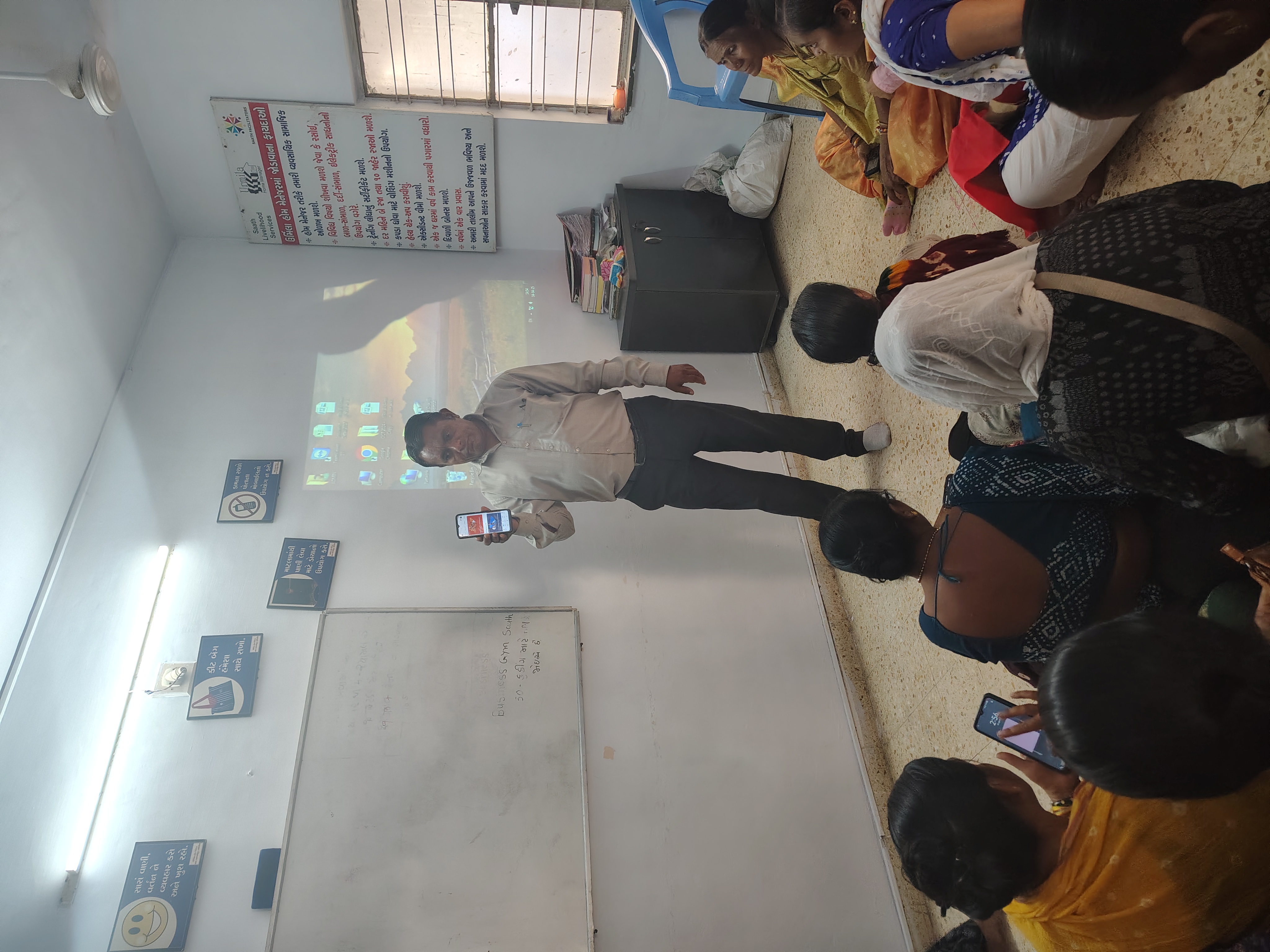
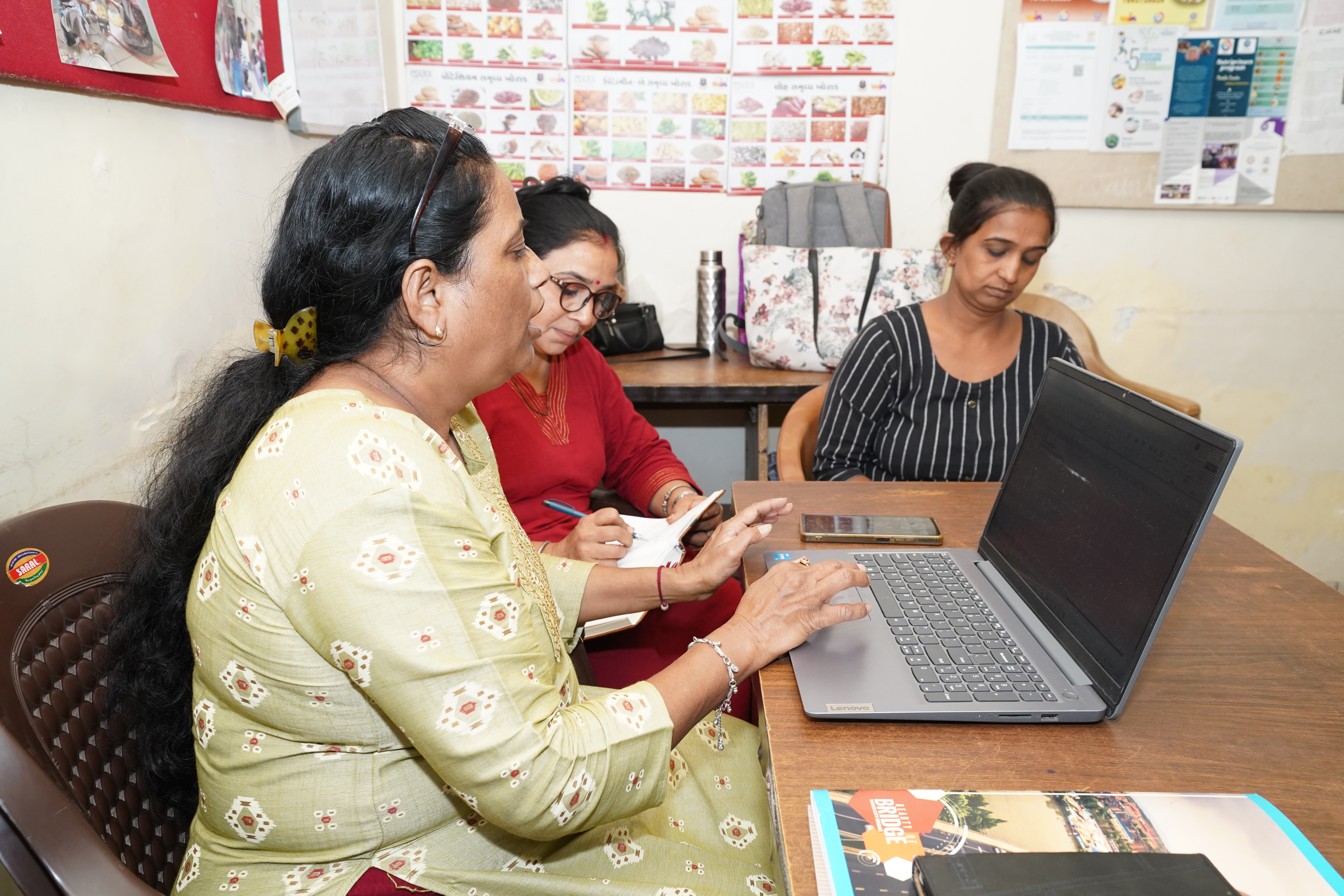
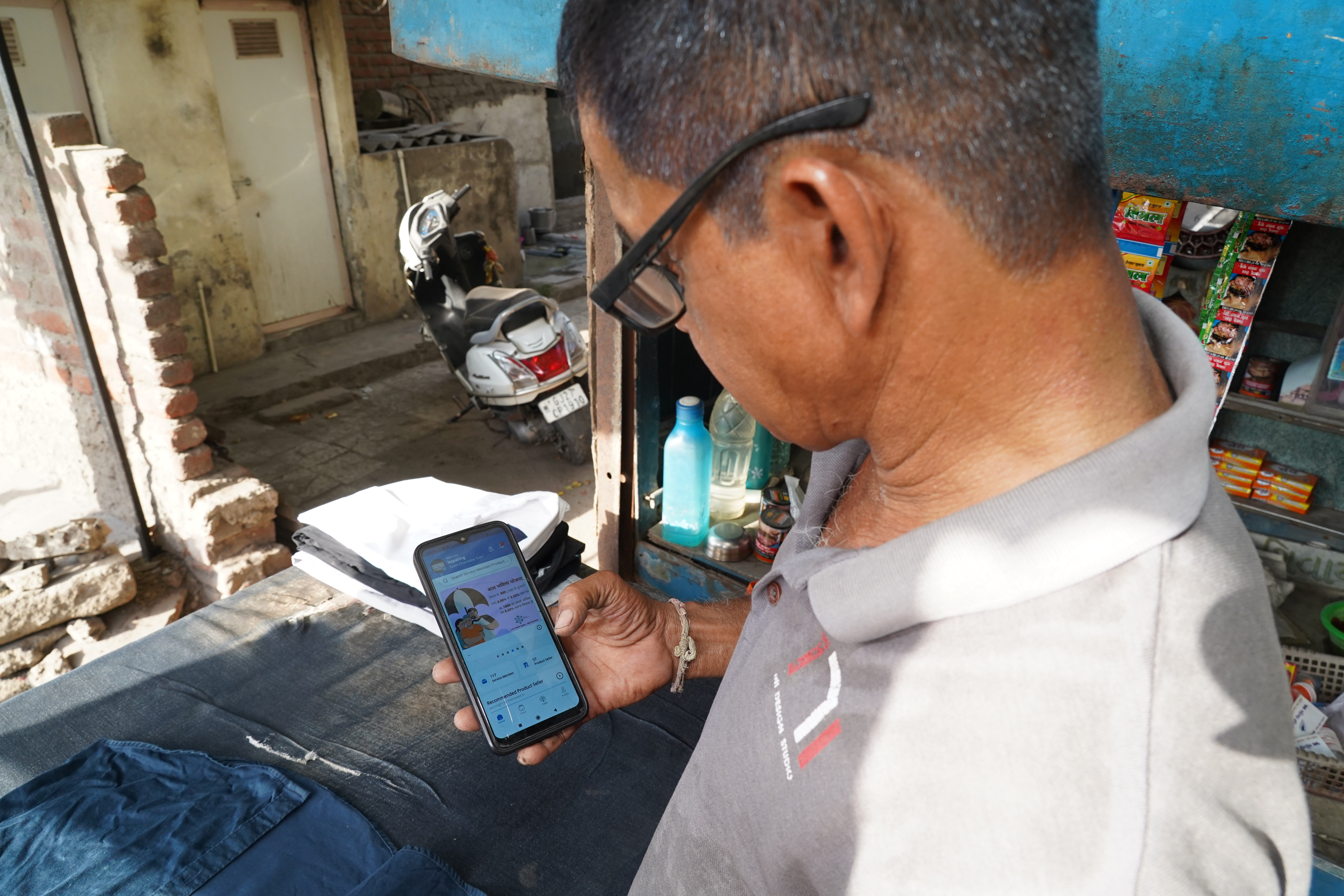
Financial exclusion locks urban poor households into cycles of precariousness: with no access to formal savings, credit, insurance, or digital technology, even the smallest emergencies can turn into crises. Saath promotes self-help groups, savings cooperatives, and community-designed digital literacy programs with community ownership. We think of inclusion as about access and agency—that the financial tools become a source of stability, safety, and growth. As part of its digital and financial literacy efforts, we also work to raise awareness about cybercrime and educate communities on safe digital practices to protect their personal and financial data online.

Financial inclusion and linkages & fraud

0+

People educated

Financial inclusion and linkages & fraud

Financial wellbeing, linkages & Fraud awareness

0+

Workshops held

Financial wellbeing, linkages & Fraud awareness

Digital account management system

0+

Digital account management system

Programs

Nature

Financial Inclusion for the Marginalized

Since 1989, we at Saath Charitable Trust have been working to transform slums into vibrant neighborhoods through our Integrated Community Development Programme. Understanding that poverty is complex and deeply rooted, we adopted a multipronged approach—one key aspect being the provision of community-based financial services for urban poor families who had little to no access to formal banking.

We saw firsthand that in many urban settlements, families—especially women—worked hard but were forced to rely on high-interest moneylenders due to the absence of savings habits, inaccessible banks, and lack of proper documentation. It became clear to us that financial discipline couldn’t be built through lectures alone. What was truly needed was a trust-based, community-rooted system that encouraged saving and provided fair access to credit.

Nature

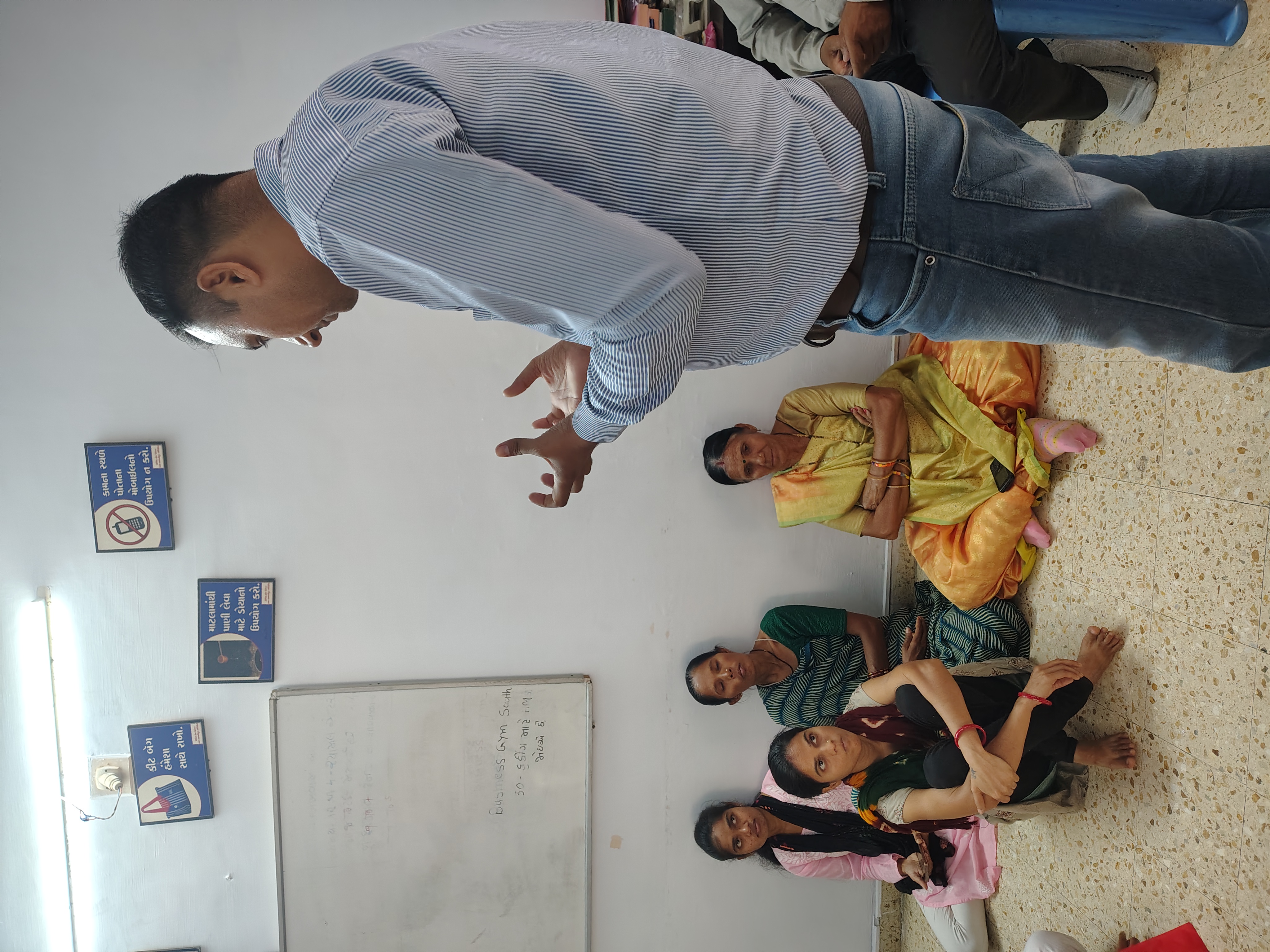
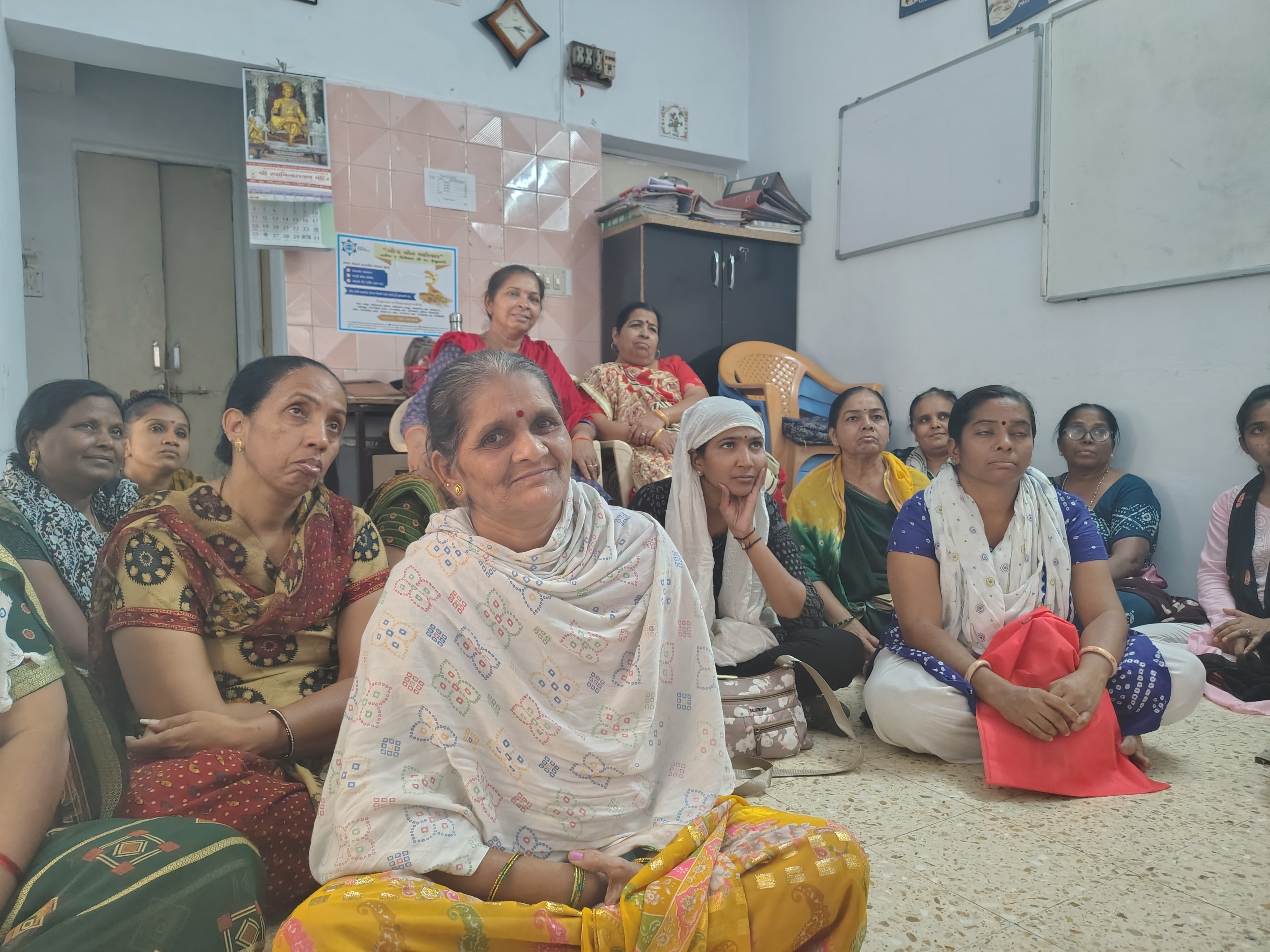
Financial Clinics at Saath’s Urban Resource Centres

In low-income urban settlements, financial distress is an increasingly common crisis. Many families fall prey to cyber fraud, predatory lending, and fraudulent schemes due to lack of financial awareness, limited access to formal banking, and social pressures to invest in risky ventures. Alarming data shows a sharp rise in distress calls related to financial losses—indicating a growing need for support in managing money, protecting assets, and planning for the future. The absence of localized financial advice and legal recourse further deepens the vulnerability of these communities. There is a clear need to build community-level infrastructure that can provide trusted, practical, and proactive financial guidance.

What Has Been Its Impact :

  • ● 2,400 individuals trained in financial literacy.
  • ● 2,100 documentation linkages facilitated.
  • ● 1,440+ residents receiving in-person support on financial queries.