Green Energy
Water Conservation
Waste management
Climate Resilient Neighbourhoods
Climate equity means providing those who are most exposed to environmental peril to adapt and thrive. Climate hazards, such as flooding, heatwaves, and limited water access, pose a significant risk to marginalised urban communities, particularly in the context of rapid urbanisation. Informal settlements—often in the most precarious locations—suffer most from these hazards. In its area development modalities, in addition to other thematic areas, Saath has an approach that develops resilience to climate hazards through adaptive infrastructure, awareness of risk, and building the capacity of communities. Through efforts in solid waste management, Saath also engages urban residents and institutions—promoting segregation, recycling, and better livelihoods for waste workers.
communities transformed
Climate-proof infrastructure
cool roofs installed
Heat stress solutions
water pilots executed
Rainwater conservation
green sessions led
Youth climate awareness
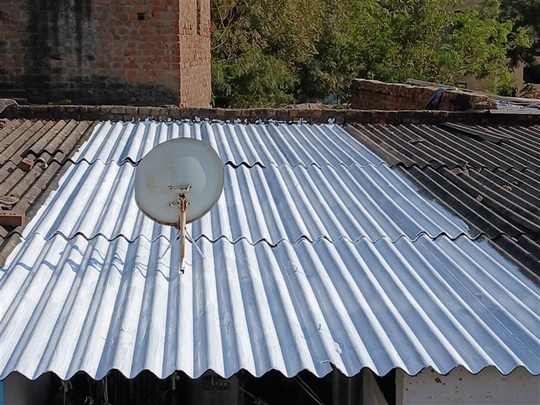
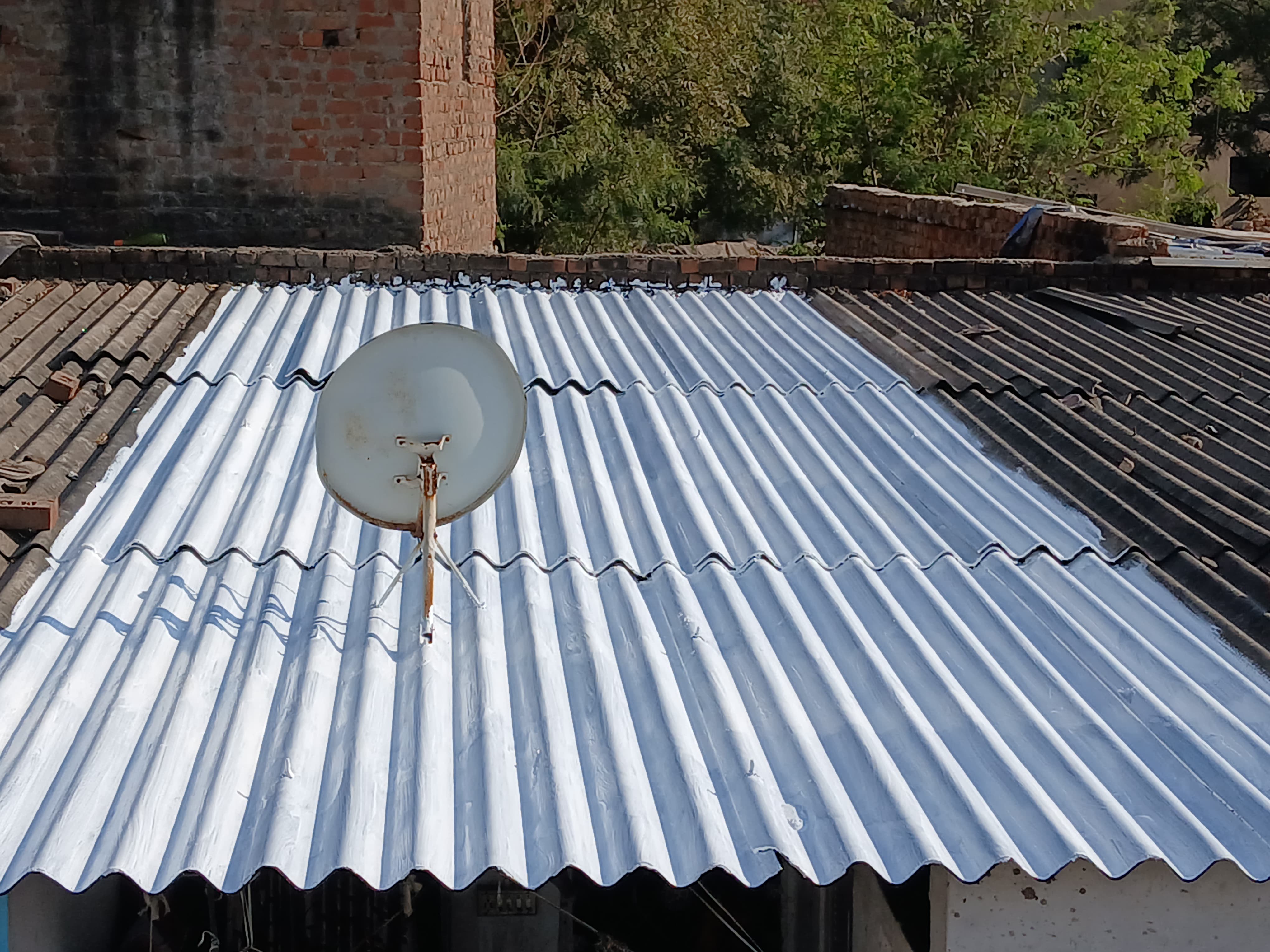
As rising temperatures increasingly impact urban low-income communities, Saath is implementing cool reflective roofs as a practical, cost-effective solution to reduce heat stress. These roofs reflect sunlight and lower indoor temperatures, making homes more livable during extreme heat.
What is the Program :
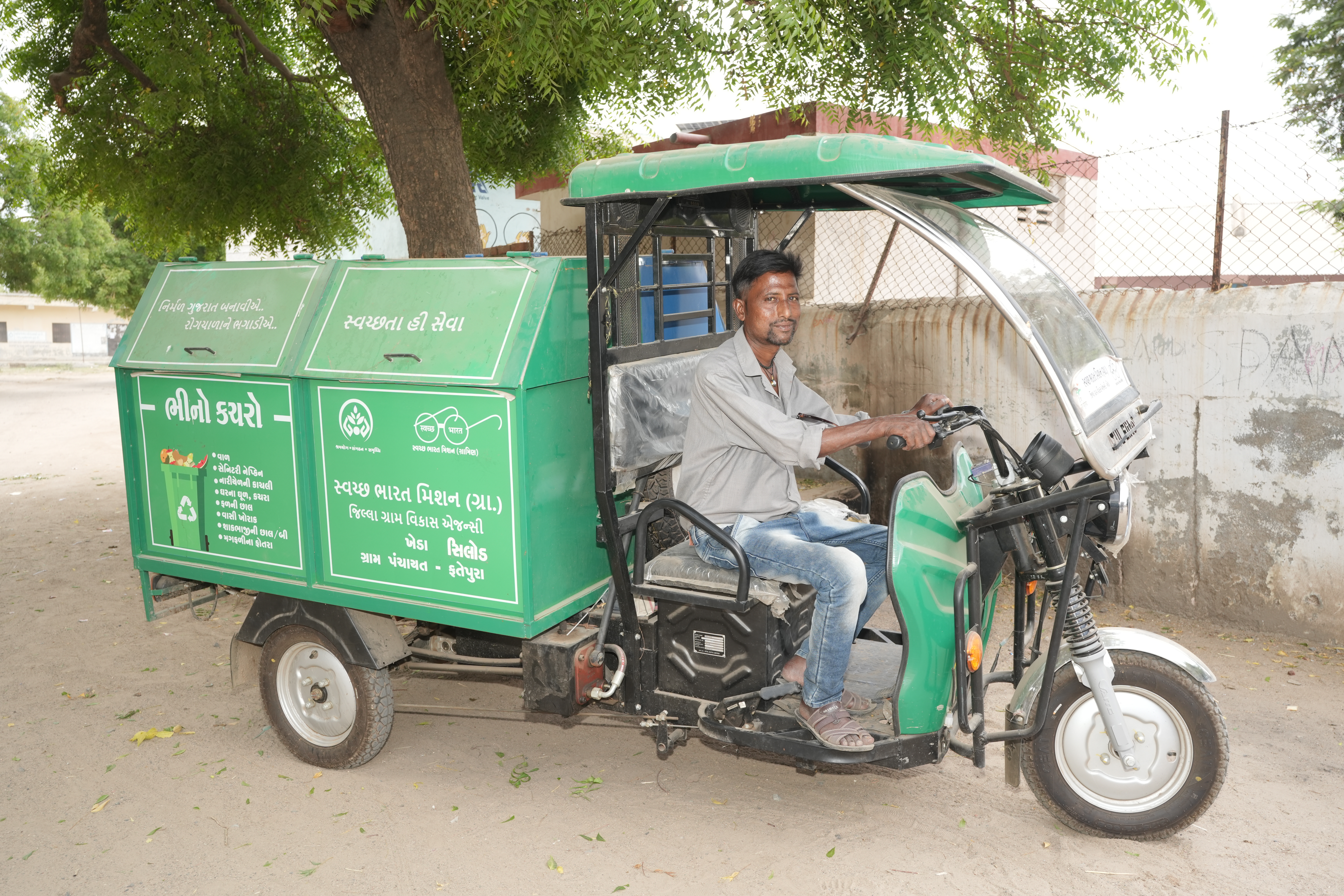
In rural areas, Saath provides training to waste management workers and supports Gram Panchayats in setting up and strengthening waste collection and disposal systems. These efforts aim to build cleaner, healthier communities while empowering local stakeholders to take ownership of environmental sustainability. Saath has plan to multiply its efforts through partnerships and action based campaigns to support the vision of a sustainable and inclusive society for all.
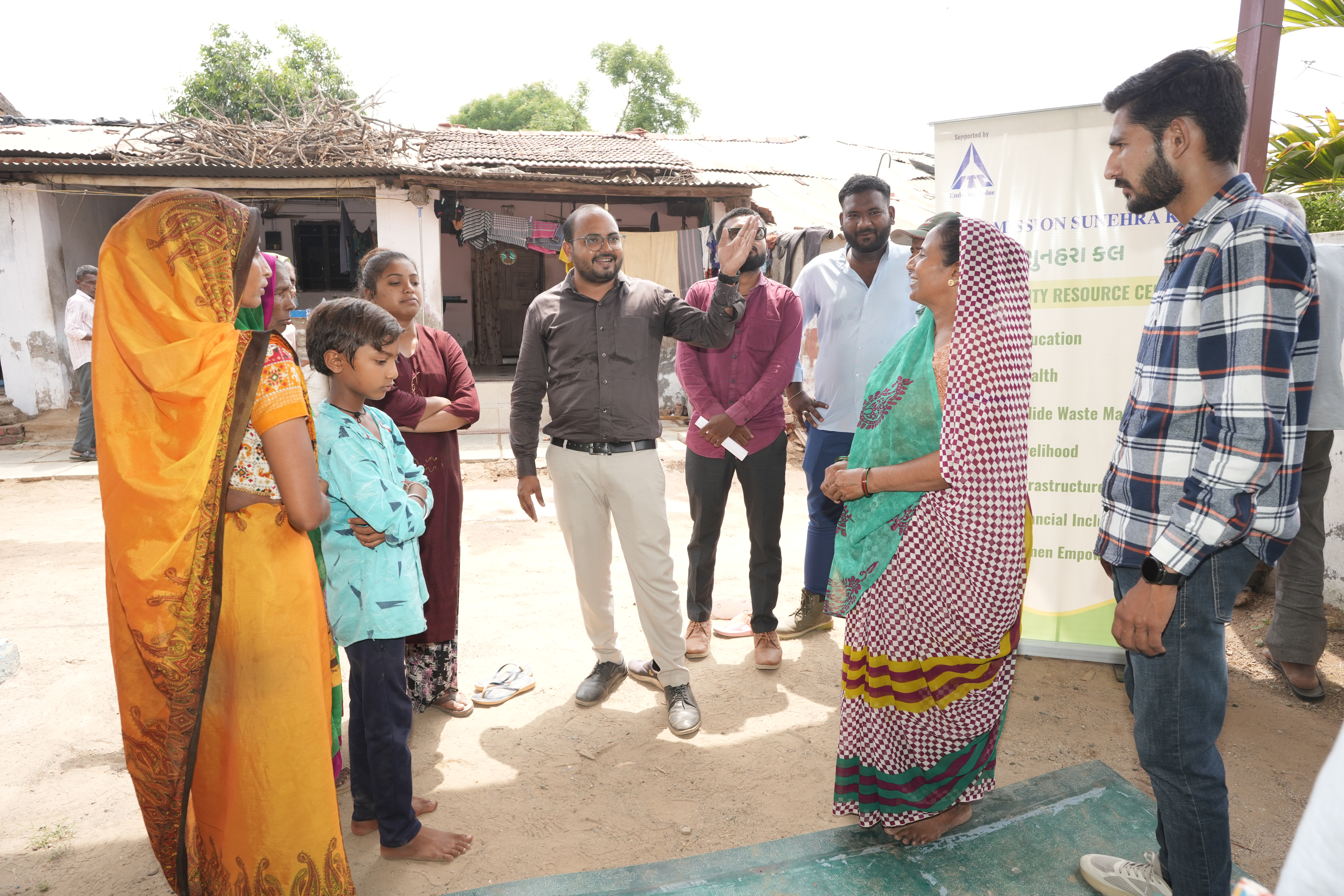
Saath is committed to promoting responsible waste management through a multi-level approach. In urban areas, Saath has started working with Resident Welfare Societies to generate awareness on waste segregation, composting, and recycling. Community meetings and campaigns encourage households to adopt sustainable waste practices. Saath has also partnered with a waste management service company for this initiative.
What is the Program :
In rural areas, Saath provides training to waste management workers and supports Gram Panchayats in setting up and strengthening waste collection and disposal systems. These efforts aim to build cleaner, healthier communities while empowering local stakeholders to take ownership of environmental sustainability. Saath has plan to multiply its efforts through partnerships and action based campaigns to support the vision of a sustainable.