Nurturing minds, empowering futures — holistic education for every child and youth

Child Education

Scholarships

School Retention

Child Nutrition

Overview

At Saath, education is viewed not only as a basic human right but also as a vital pathway towards achieving urban equity. Children in informal settlements often face poor nutrition, displacement, unsafe conditions, and skill gaps that keep them out of the classroom. Saath's education initiatives focus on early childhood, school retention and life skills. Through preschools, classes on construction sites and STEM classes in slum areas, Saath aims to give a chance to children. Saath works to make sure every child, no matter their background, has the opportunity to learn, develop, and exercise their agency in shaping their future. 

Foundation learning enhanced

0+

children supported

Foundation learning enhanced

In formal schools

0+

Children enrolled

In formal schools

Engaged in STEM Education

0+

Young Learners

Engaged in STEM Education

Programs

Nature

Saath’s Balghars

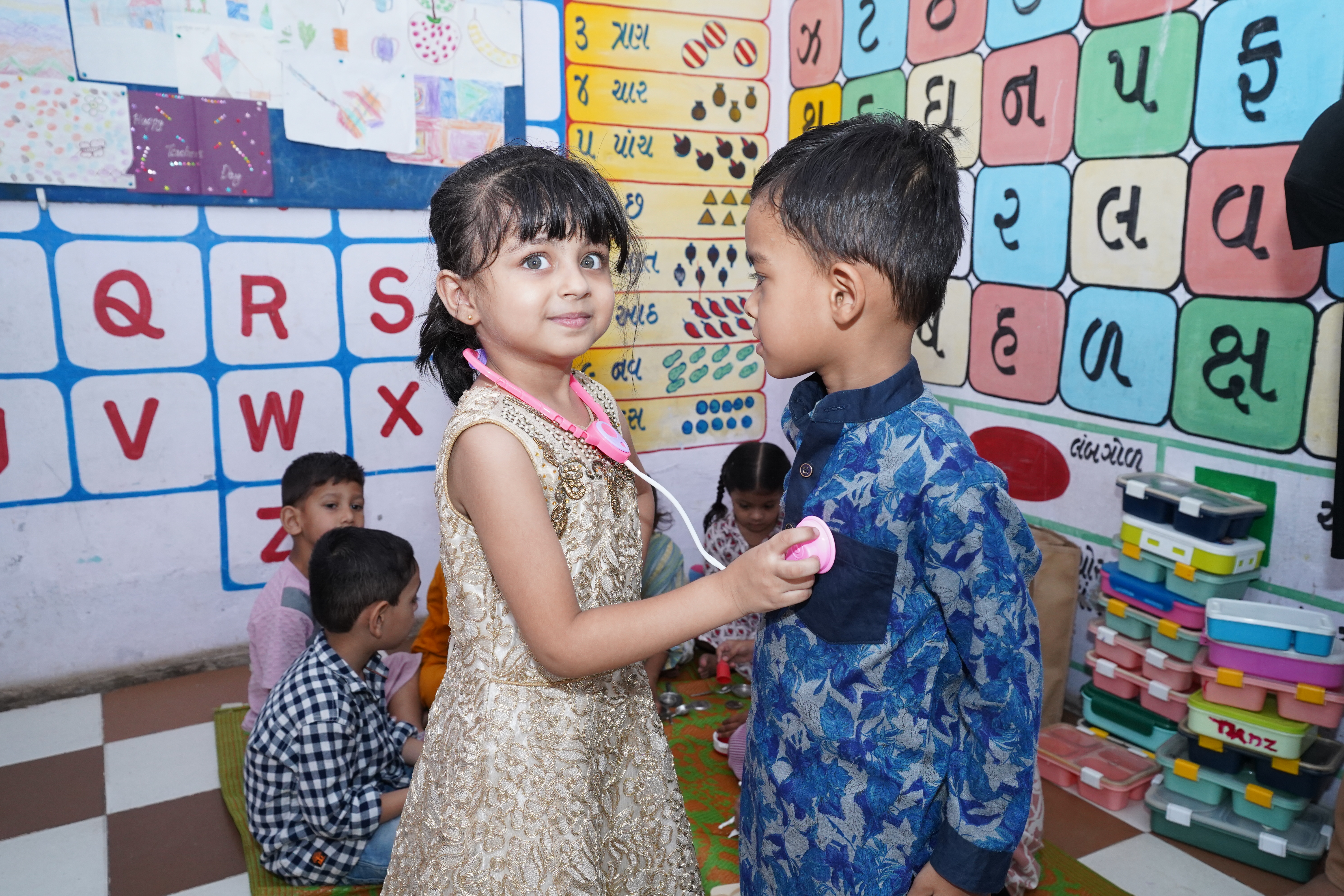
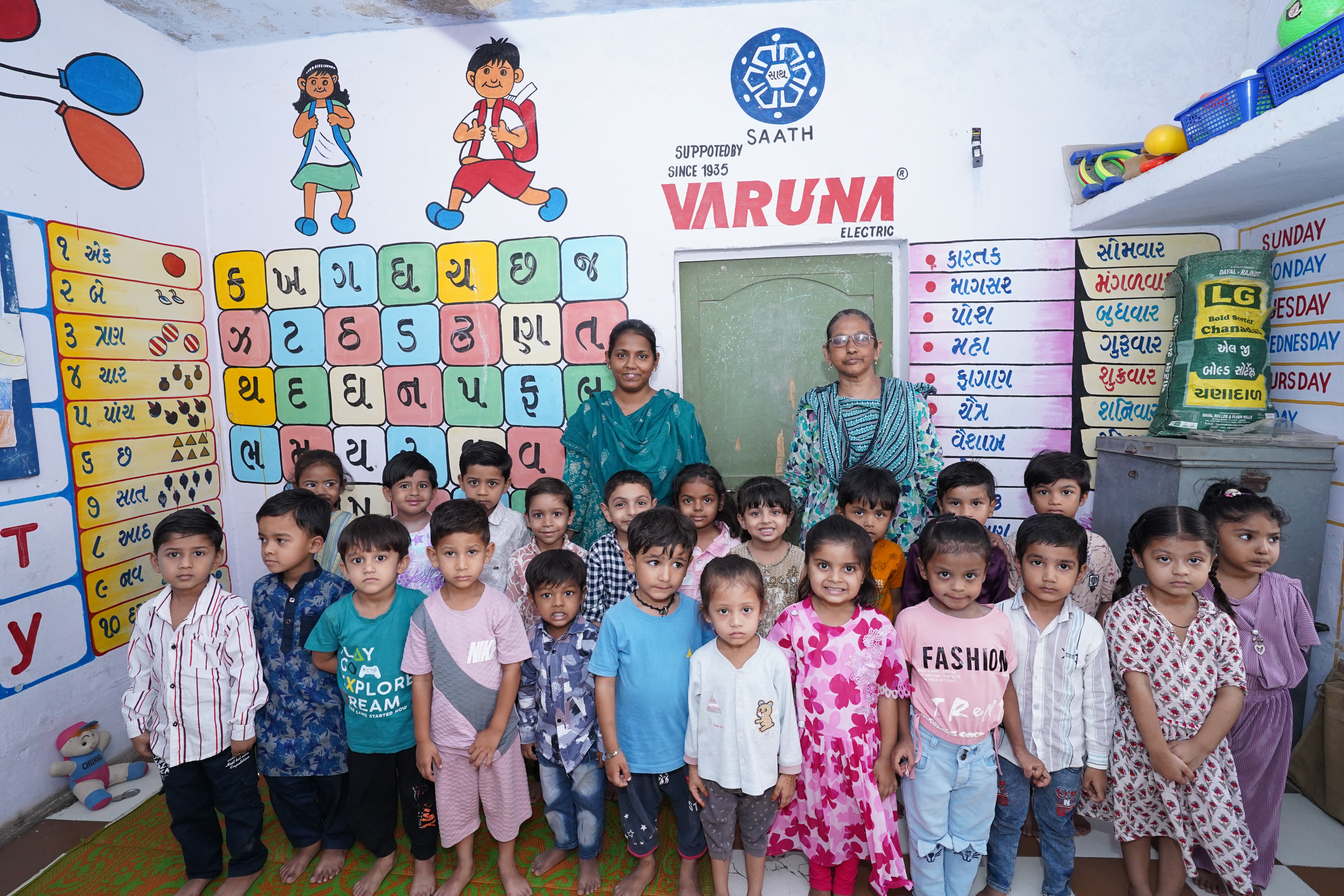
Saath’s Balghars: Nurturing Foundations for Lifelong Learning

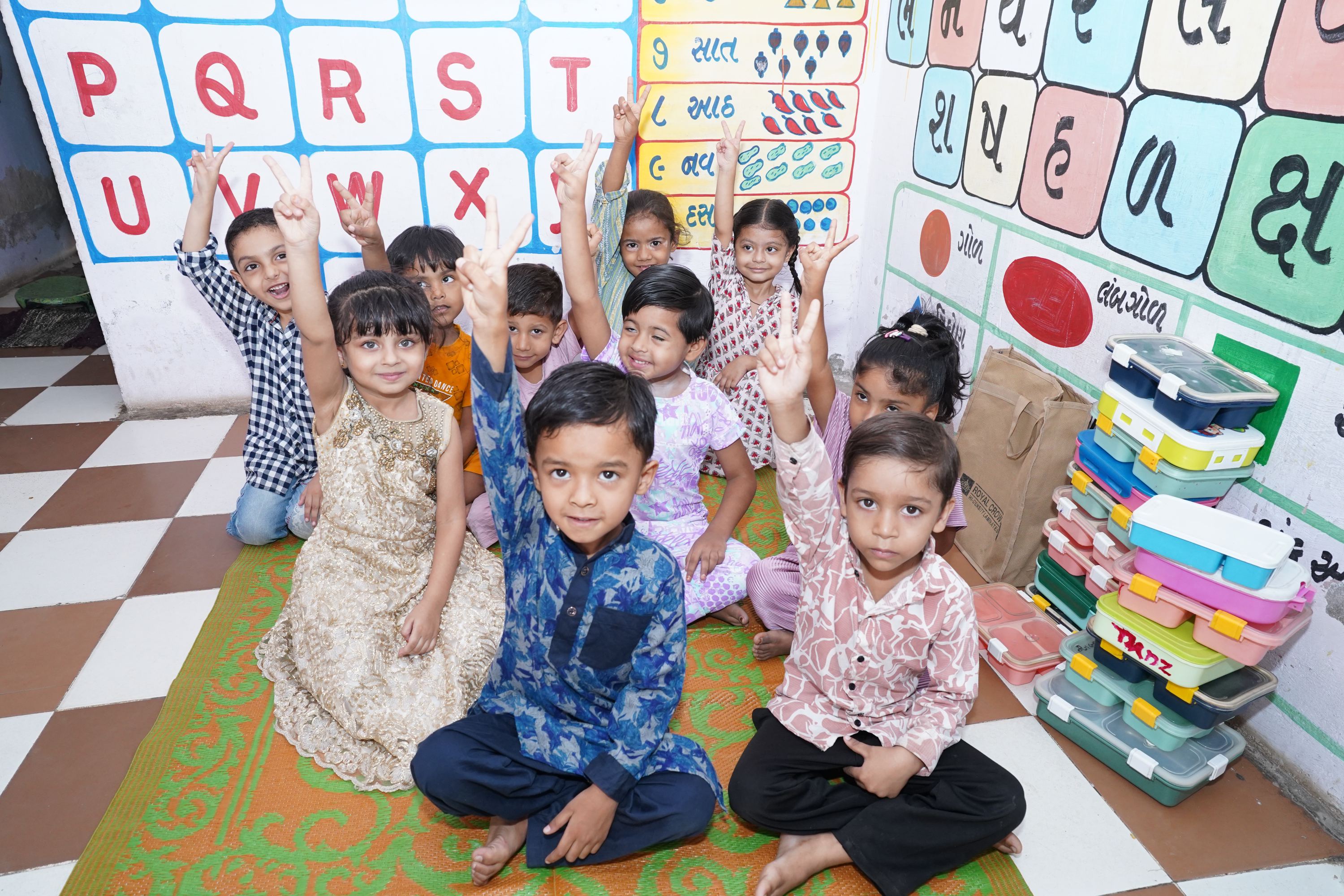
Children in informal settlements often face delayed development due to limited access to early education and nutrition. To address this, Saath offers structured, nurturing early learning for marginalized children aged 3–5 in areas like Juhapura and Vatva, helping them build a strong foundation before entering formal schooling.

Impact of the Program :

  • ● 647 children are currently enrolled across all centers.
  • ● 84 children (52%) who were previously malnourished have now overcome malnutrition, thanks to consistent health monitoring and community interventions.
  • ● 188 children have successfully transitioned from Balghar into mainstream schools, demonstrating improved school readiness and confidence.

Nature

STEM Program

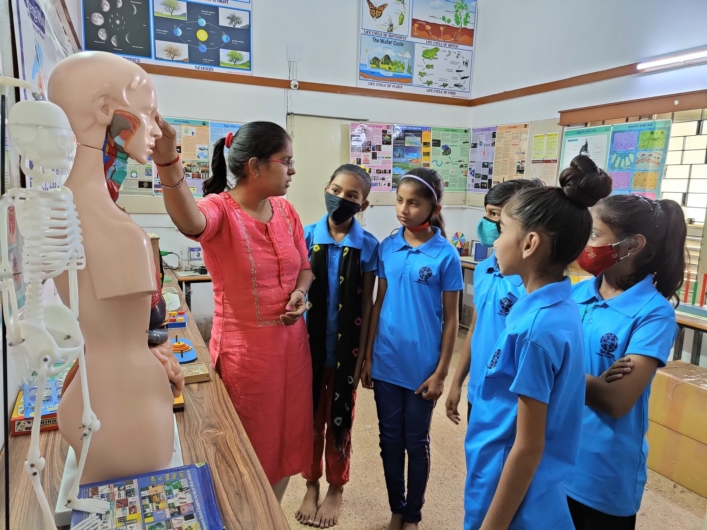
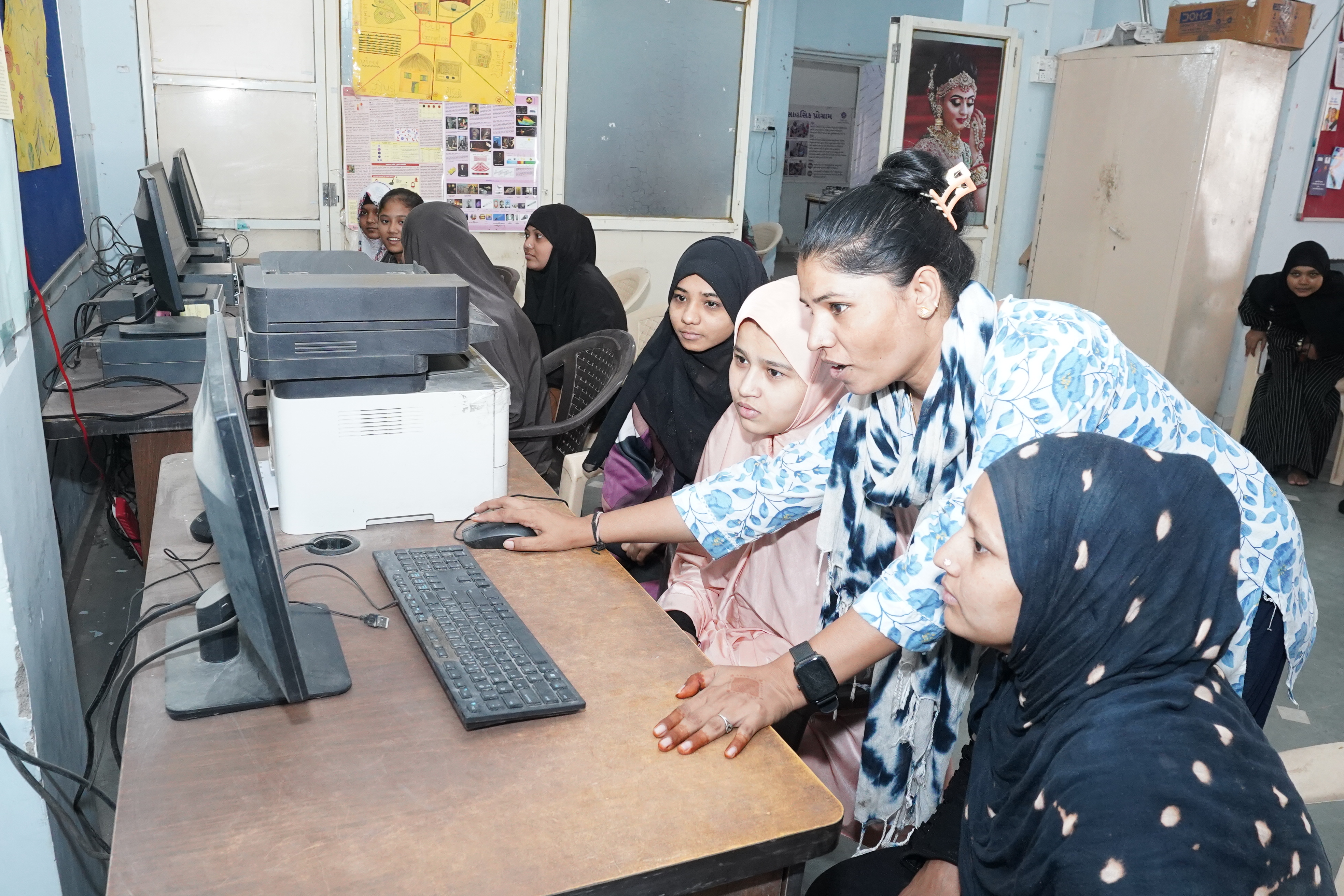
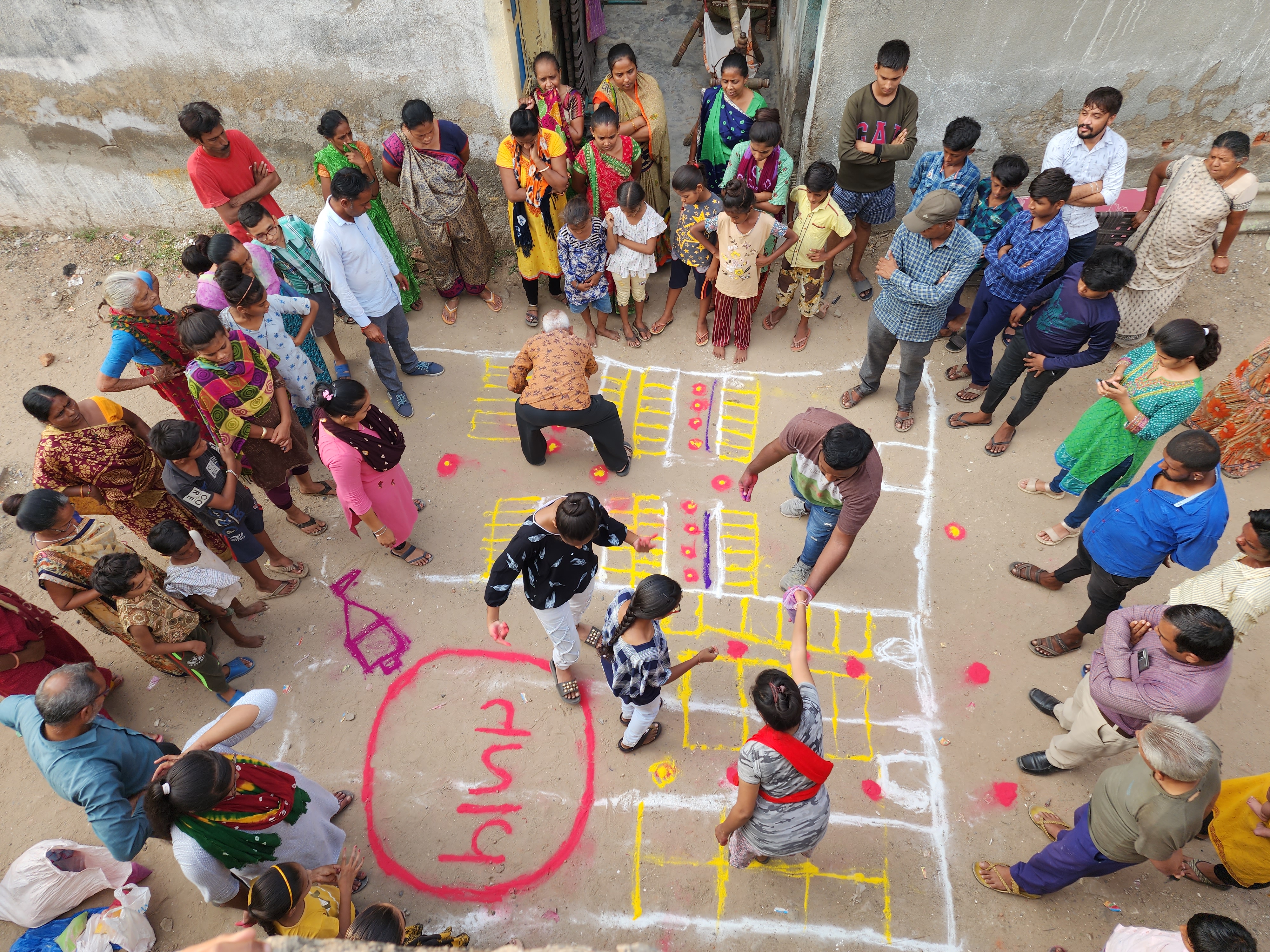
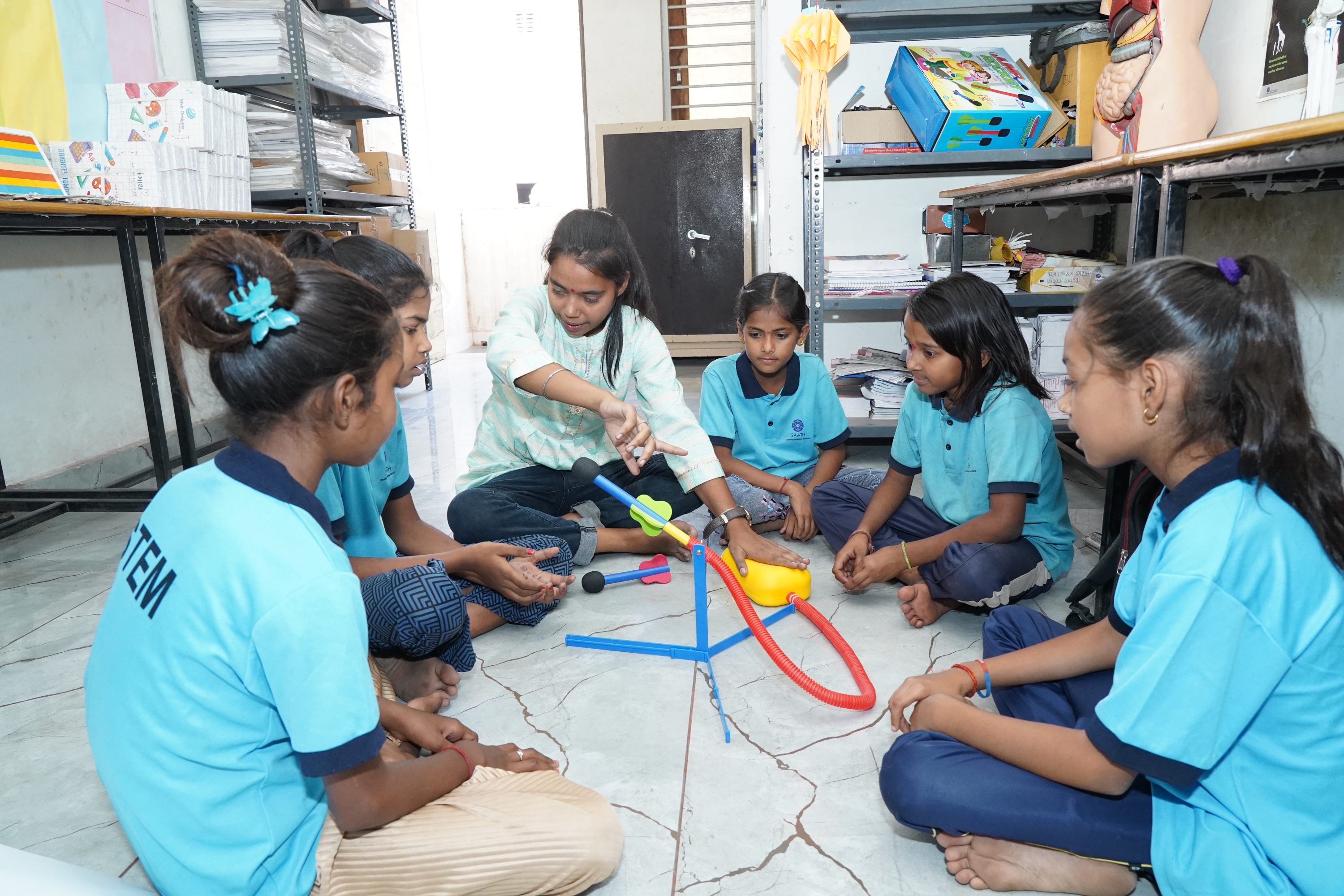
In underserved communities, adolescent girls—especially those aged 10–13 years—face limited exposure to Science, Technology, Engineering, and Mathematics (STEM) education due to systemic barriers, early school dropouts, and lack of digital access. This gap not only affects their learning outcomes but also restricts their future career opportunities in emerging fields. Recognizing this, Saath initiated a STEM Program to empower school-going and school-dropout girls with the knowledge, skills, and confidence to explore careers in STEM.

Impact of the Program :

The program has shown tangible results in improving educational access and engagement:

  • ● 577 girls were trained in the last year through STEM classes.
  • ● 800 girls have graduated from the STEM Program to date, including those who had enrolled in earlier cohorts.

Nature

Child Friendly Spaces

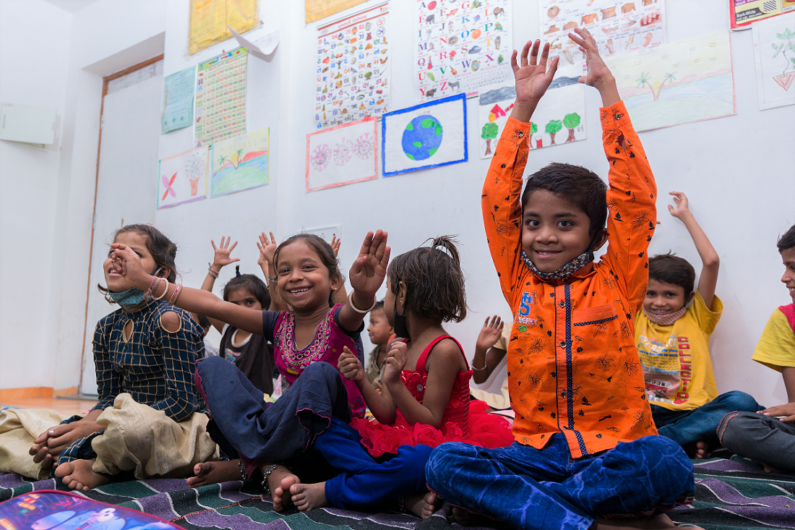
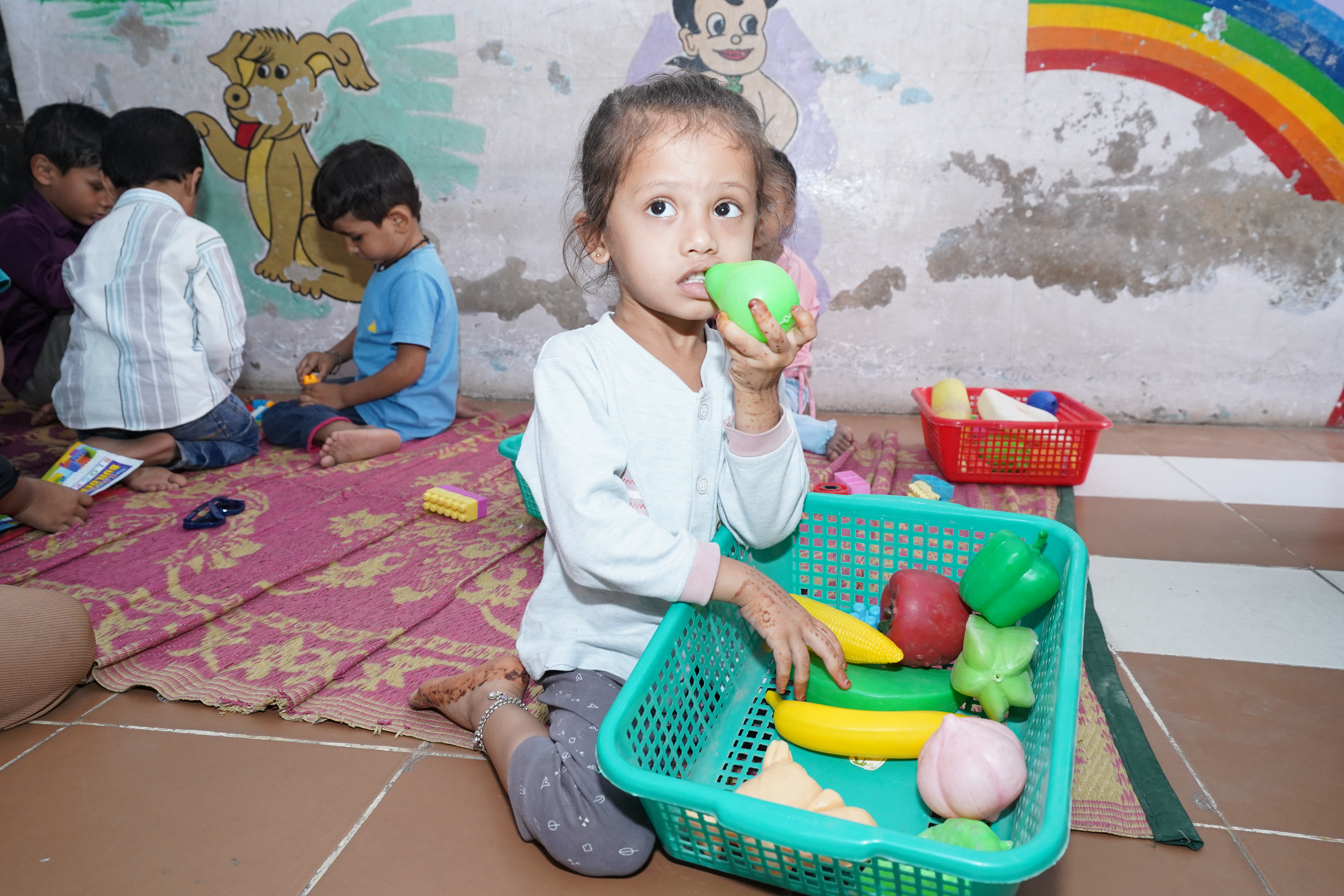
Children of migrant construction workers often grow up in unstable environments without access to early education or safe spaces for development. With parents engaged in long working hours and lacking childcare options, these children are at high risk of child labour, educational exclusion, and malnourishment. Recognizing the need for intervention, Saath initiated Child Friendly Spaces to offer protection, care, and learning opportunities to these vulnerable children.

Impact of the Program :

The program has provided critical support and education access to hundreds of children:

  • ● 765 children benefited from Saath’s CFS centres across locations.
  • ● Among the children identified with malnourishment, 18 out of 35 have successfully overcome it through consistent care, nutrition monitoring, and supportive interventions.